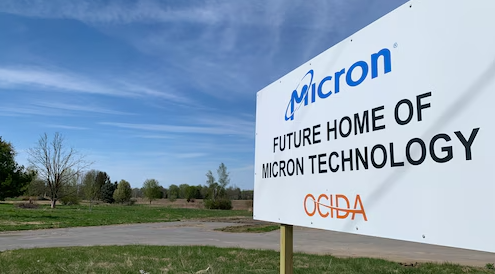


The Senate passed a sweeping tax bill on Tuesday that would lower the cost for semiconductor manufacturers to build factories in the United States, benefiting chipmakers and bolstering U.S. efforts to expand the industry domestically.
Tax credit policy adjustments
Tax credit enhancement, relevant legislation background and its connection with the CHIPS Act.
Credit rate increased
If companies such as Intel, TSMC and Micron Technology start construction of new factories before 2026, the tax credit rate will be increased from 25% to 35%, higher than the 30% in the original draft.
The bill is included in the agenda
This provision is included in the core bill of Trump's economic agenda (nearly 900 pages), which is being reviewed by the House of Representatives and aims to be submitted for signature before July 4.
Enhanced chip bill
The credit increase strengthens the incentives of the Chips and Science Act of 2022 signed by Biden, including $39 billion in grants and $75 billion in loans, aimed at revitalizing the US semiconductor industry.
Implementation details and impacts
This section covers the implementation challenges, political background, investment commitments, and potential consequences of the tax credit.
Uncapped costs
The tax credit has no cap on the amount, and the cost may be higher than other subsidies. The main beneficiaries include Intel, TSMC, Micron Technology, and Samsung Electronics.
Political resistance
Trump has called for the repeal of the CHIPS Act, but lawmakers from both parties oppose the elimination of subsidies because they provide high-paying jobs and are critical to national security.
Investment commitments
The Trump administration has received increased investment from companies such as TSMC and Micron Technology, but no additional funding has been involved, and the White House sees it as a policy achievement.
Potential losses
Increased corporate spending could lead to greater government tax losses, and if the relevant bill is passed, the losses will rise further.
Construction subsidies
Projects that start construction before the end of 2025 can apply for continuous construction subsidies, which are intended to promote project start-ups and recognize that factory construction takes many years.
Source: Content from Bloomberg
Reference link
https://www.ainvest.com/news/senate-30-chip-tax-credit-catalyst-semiconductor-dominance-strategic-investment-opportunities-2507/